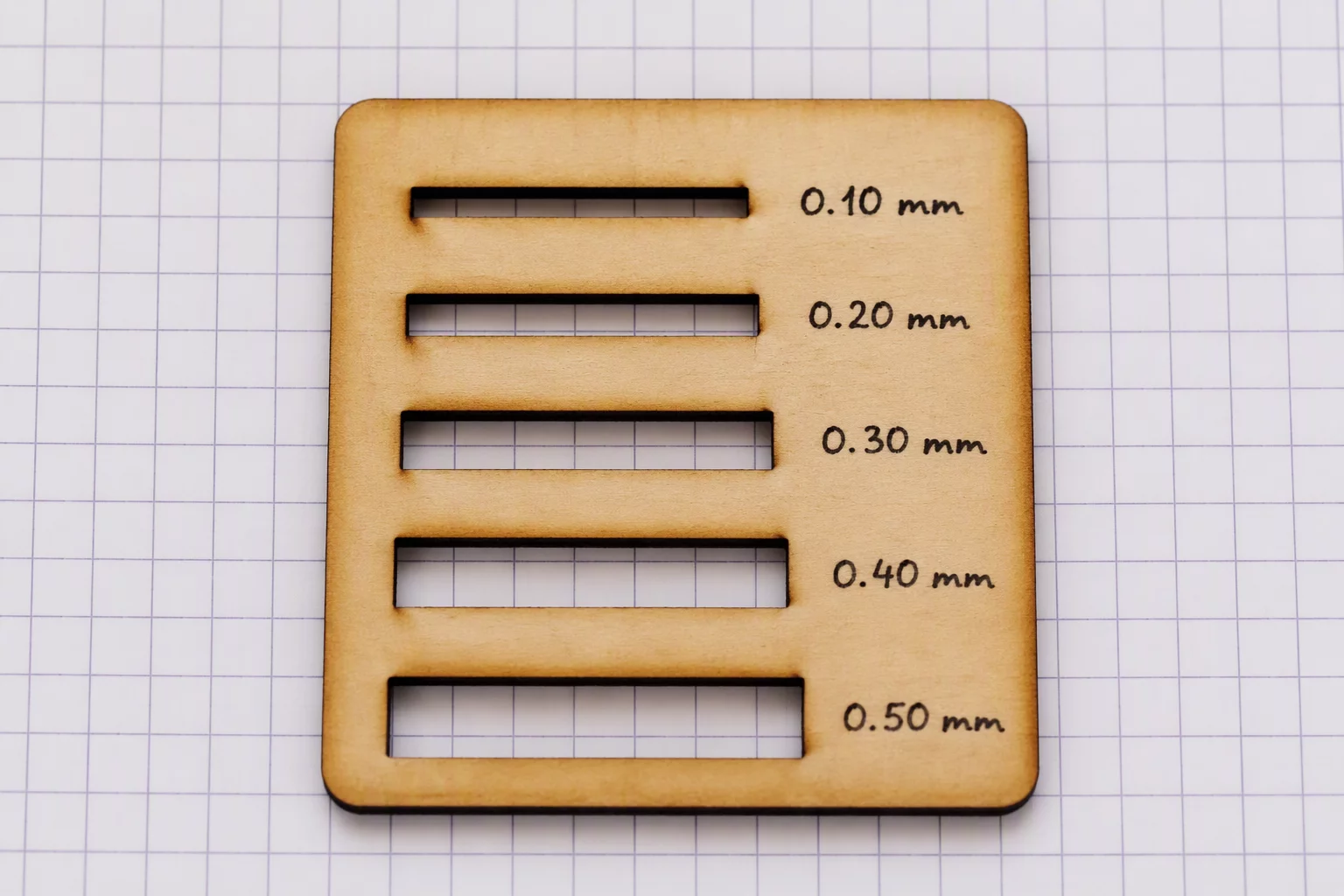
5 Slot Variations
One Slot, Five Widths
Systematic coupon testing evaluates step variations in slot widths to identify the exact threshold for tight friction engagement.
Explore small test-piece methods for understanding slots, tabs, kerf allowances, mating parts, and repeatable fit.
Target fit → test geometry → observed fit → next test
Define how the joint should assemble and whether it must come apart again.
Use a small labeled slot-and-tab coupon. Keep the mating part and test conditions consistent.
Record force, play, edge damage, and the fit after removal. A drawn dimension is not the result.
Change one variable, repeat the coupon, and compare it with the first observation.
The notebook connects intended dimensions with the real joint after laser cutting. It is an educational testing resource; numerical examples describe a coupon, not ready-made settings for a material.
Browse Fit CouponsWe believe in honest qualification. KerfFit Notebook is a dedicated engineering resource focused on empirical testing methodology rather than arbitrary speed presets or one-size-fits-all cut charts.
This resource is specifically tailored for makers, laser operators, and CAD engineers who approach fabrication through systematic measurement:
To protect your time and materials, we want to be completely clear about what KerfFit Notebook is not designed to provide:
Target: a joint that seats by hand and holds with little play. Five intended slot widths, one unchanged mating part.
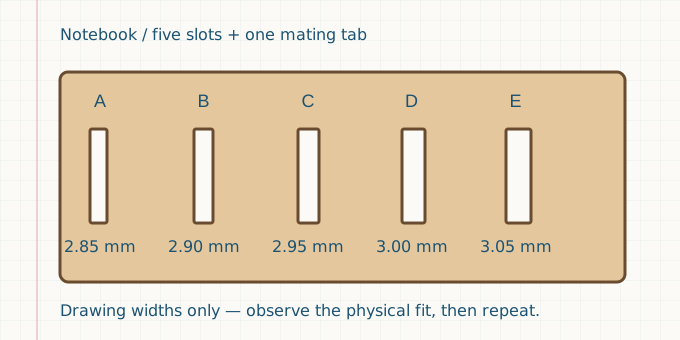
Intended drawing width: 2.95 mm
Firm hand fit
Seats by hand with little play; repeat this candidate.
Illustrative observations for one coupon, not measured production records or a “3 mm plywood” settings table. Cut dimensions and material thickness must be measured on your own test.
| Slot | Drawing width | Observed fit | Notebook note |
|---|---|---|---|
| A | 2.85 mm | Too tight | Does not seat by hand; stop before damaging the edge. |
| B | 2.90 mm | Tight press | High insertion force; poor choice for repeated removal. |
| C | 2.95 mm | Firm hand fit | Seats by hand with little play; repeat this candidate. |
| D | 3.00 mm | Easy slide | Easy assembly with detectable movement. |
| E | 3.05 mm | Loose slip | Visible play; does not meet this example’s retention goal. |
What we learned: this example narrows the next test around C. It does not establish a universal kerf allowance or certify the final joint.
Explore illustrative coupon studies, joint comparisons, and methods for recording assembly behavior across material batches.
Systematic coupon testing evaluates step variations in slot widths to identify the exact threshold for tight friction engagement.
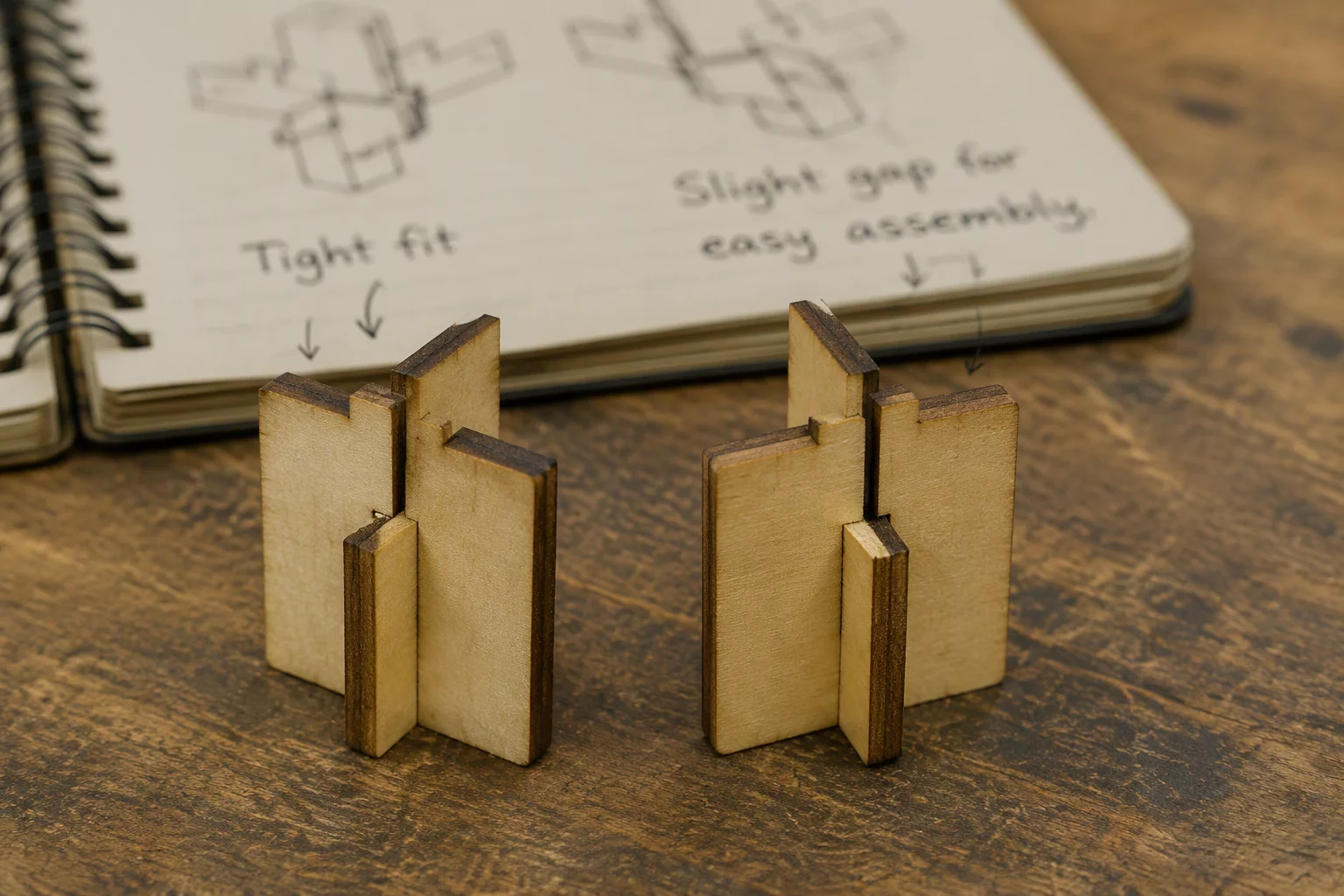
Balancing structural rigidity against user assembly effort by measuring insertion force and edge friction offsets.
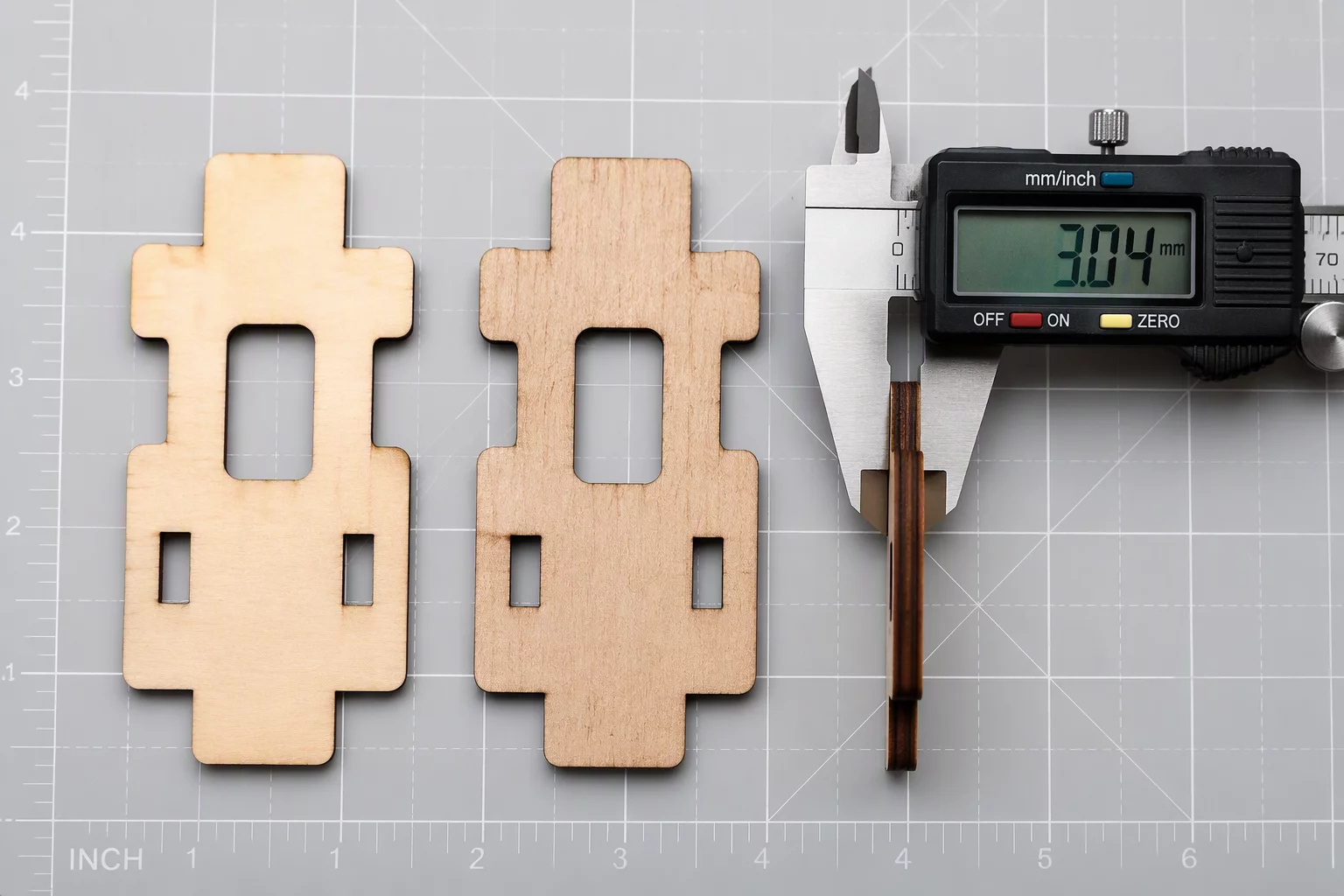
Testing the identical cut file across multiple plywood deliveries to quantify caliper discrepancies and kerf drift.
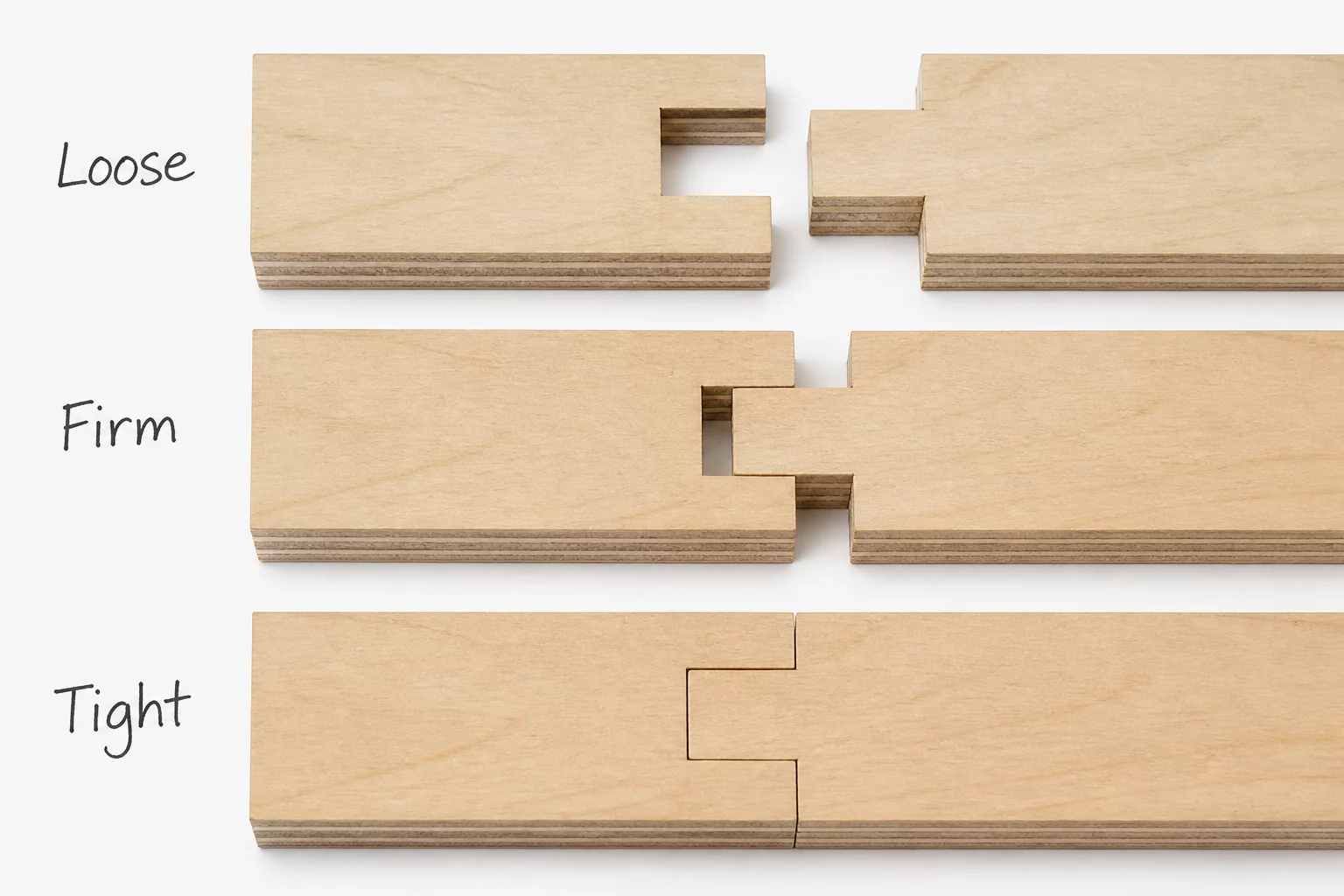
Analyzing interlocking strength across varying tab lengths to eliminate glue dependencies in lightweight enclosures.
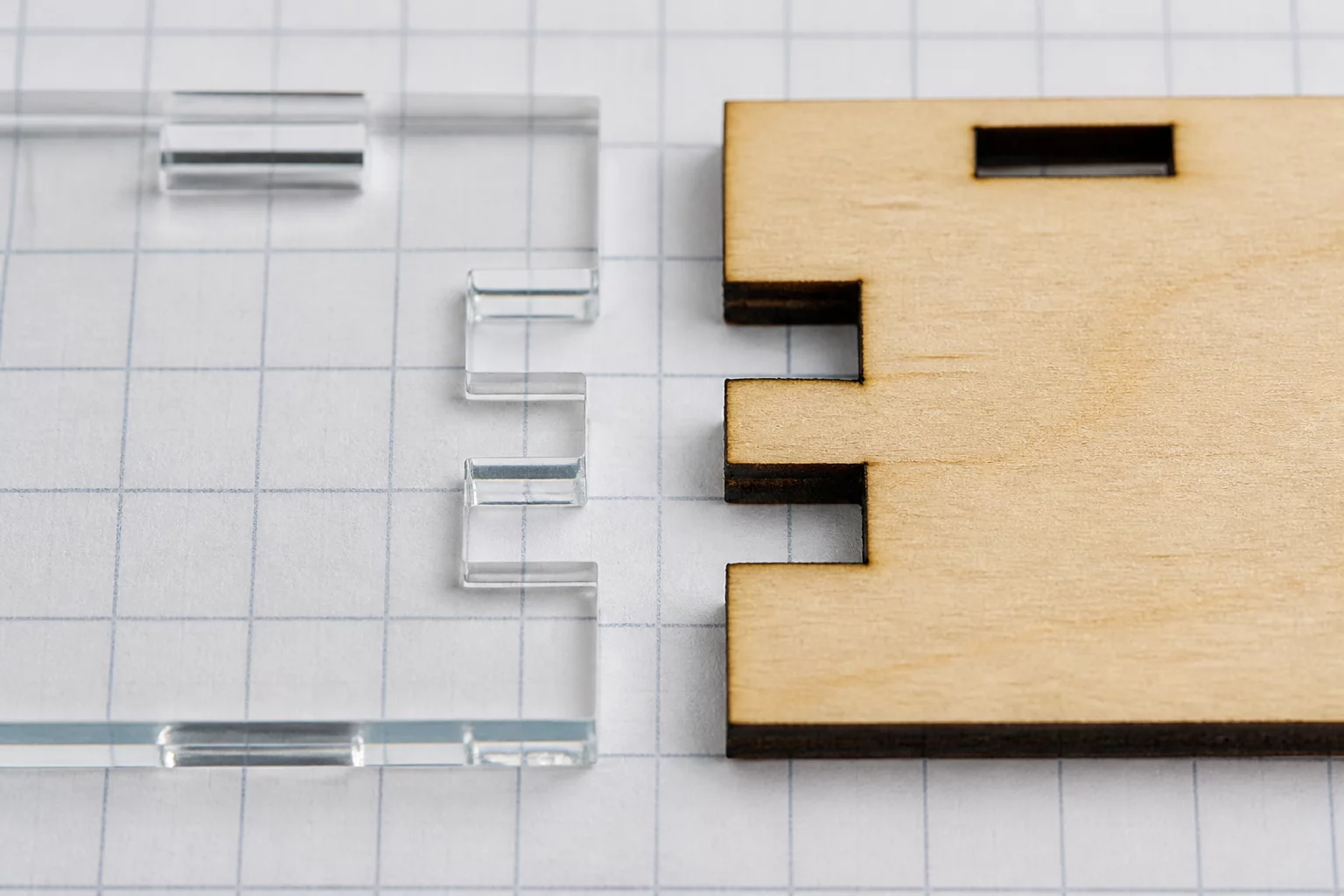
Contrasting rigid cast acrylic with compressible plywood fibers to adjust kerf allowances for zero-wobble fits.
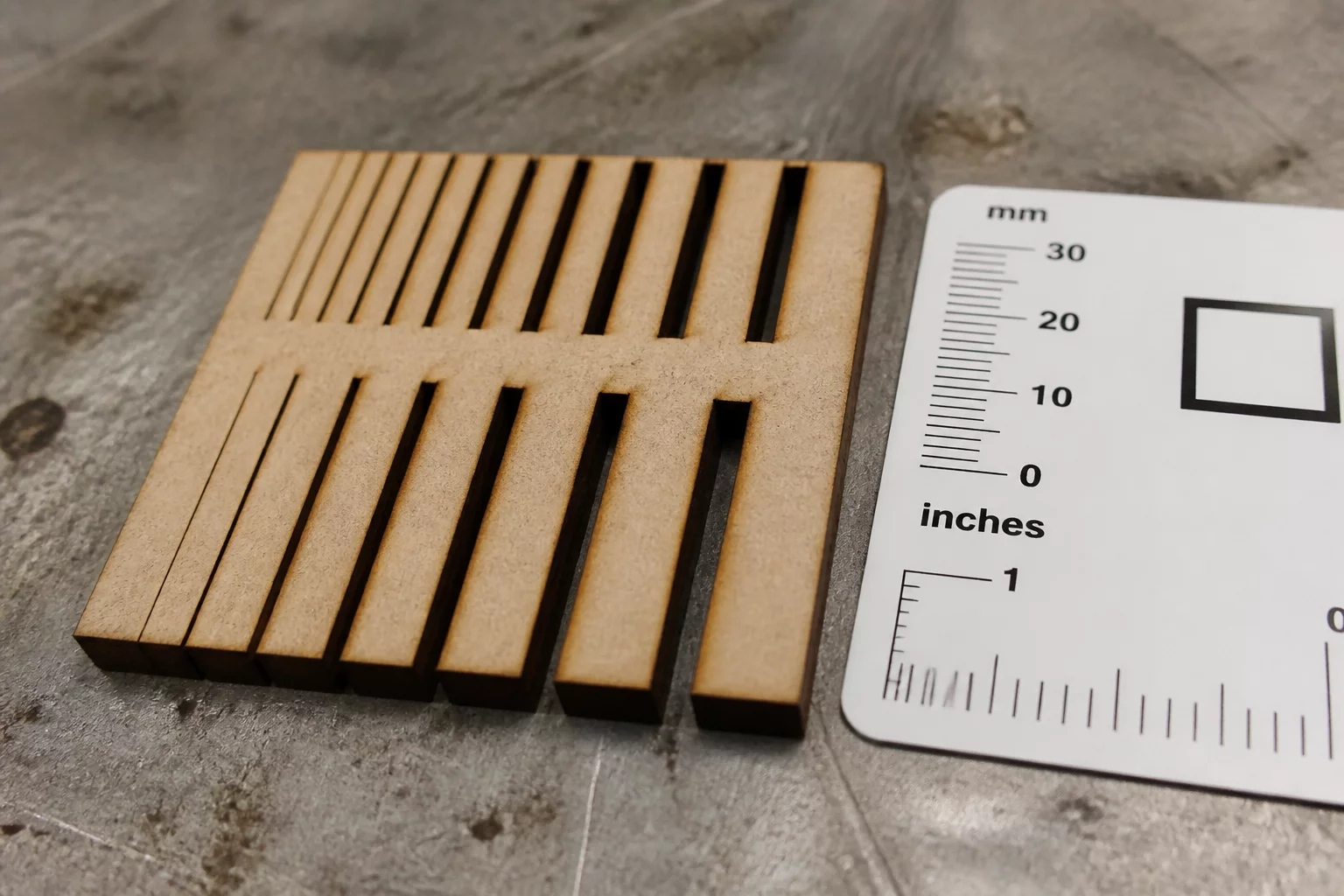
Documenting how binder resin vaporization changes the beam width across medium-density fiberboard test coupons.
Rigorous laser calibration procedures to reconcile digital geometry with physical kerf dynamics across varied substrates.
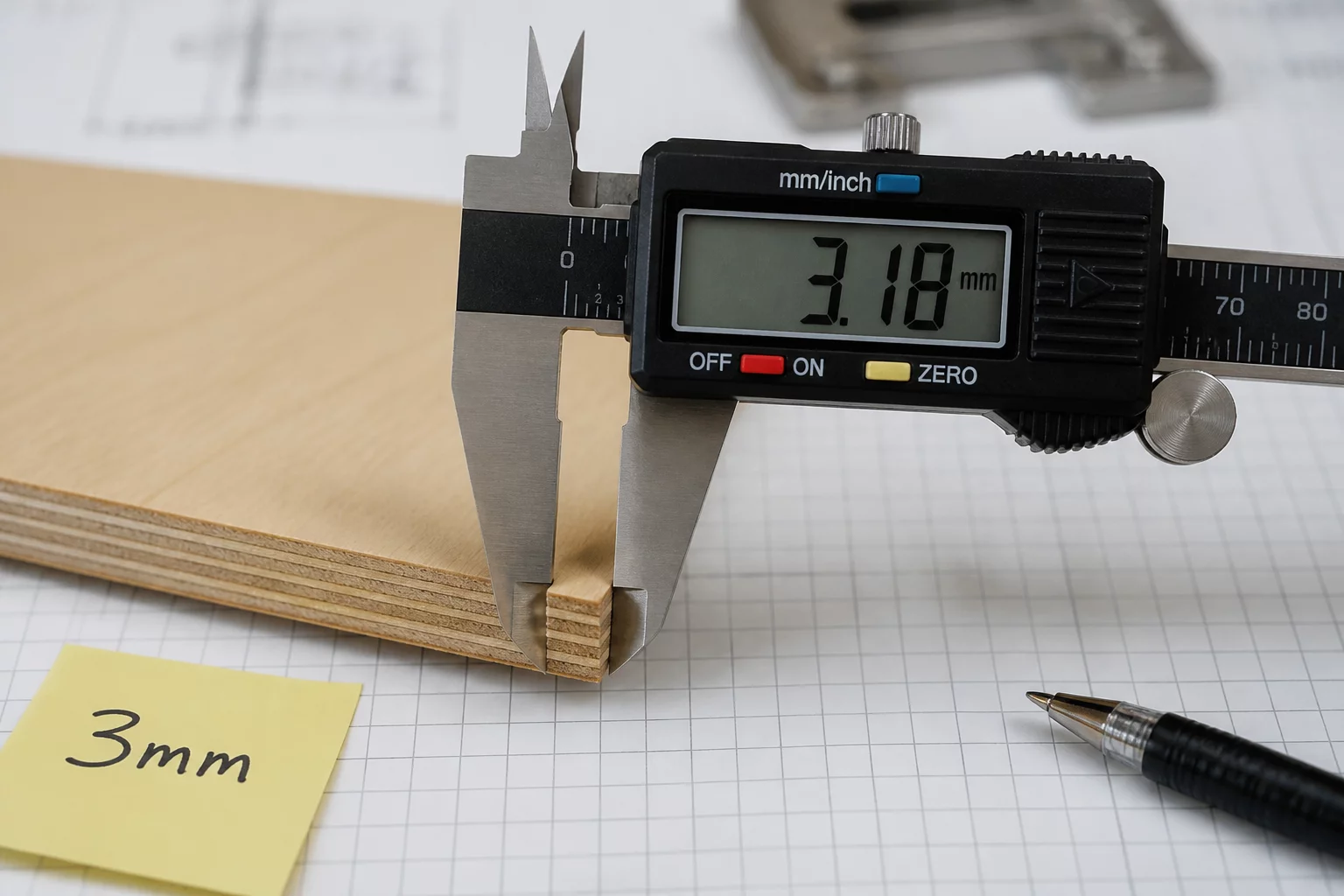
Discover why stated sheet dimensions diverge from physical reality and how caliper measurements prevent assembly failures.
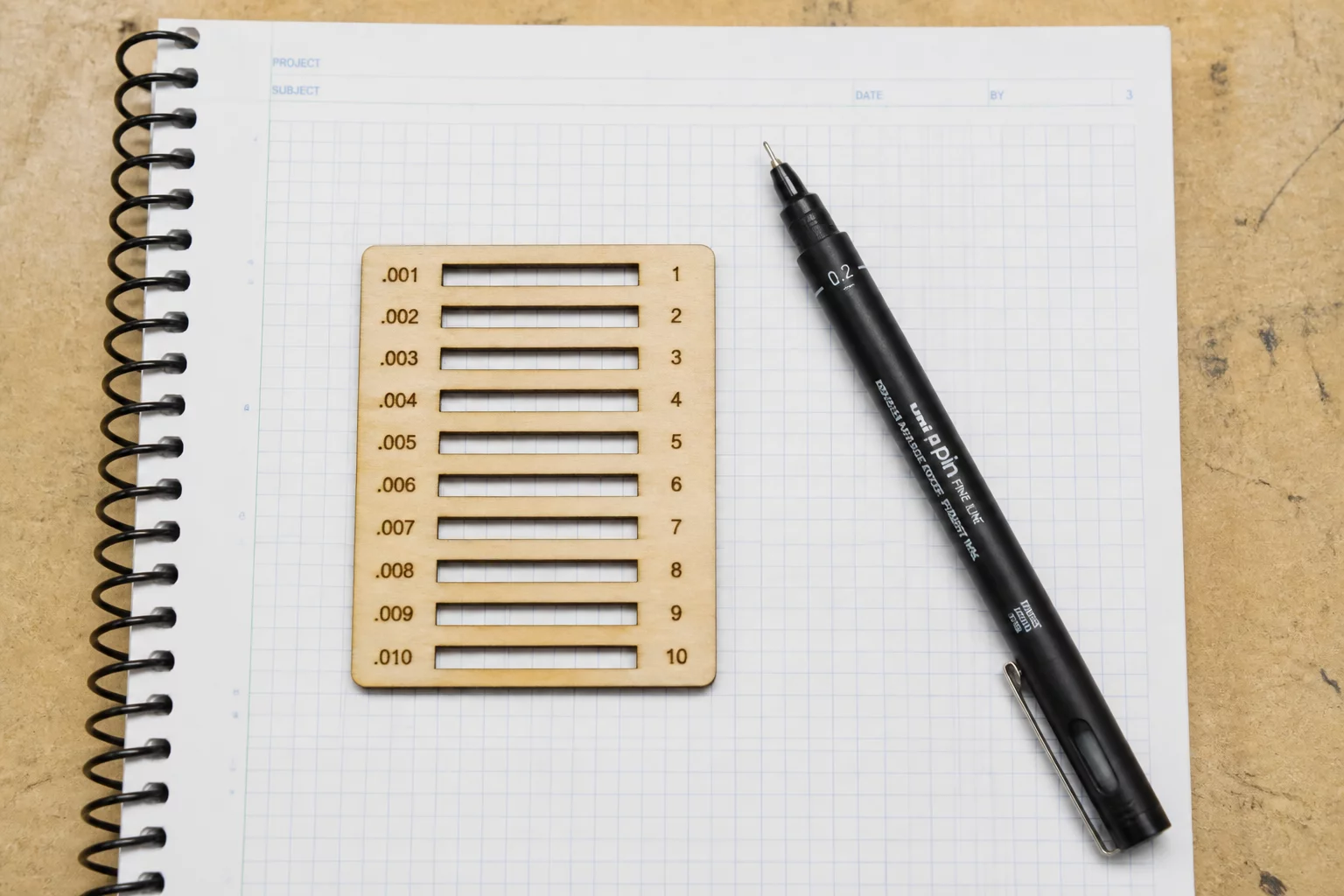
Why calculating laser beam offset cannot rely purely on CAD models without physical slot coupon verification.
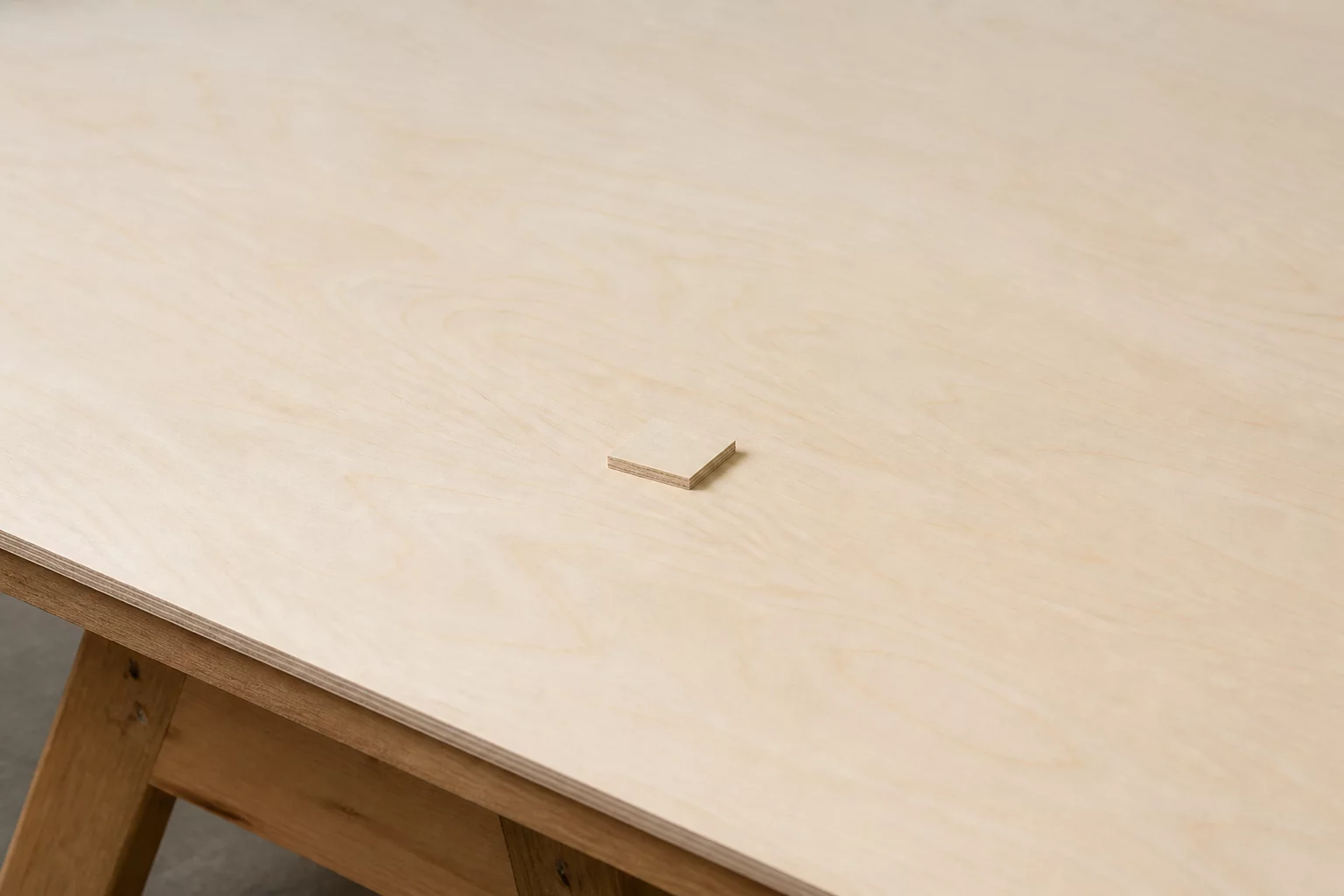
Practical workflows for running localized micro-gauge cuts before committing full-scale timber or acrylic stock.
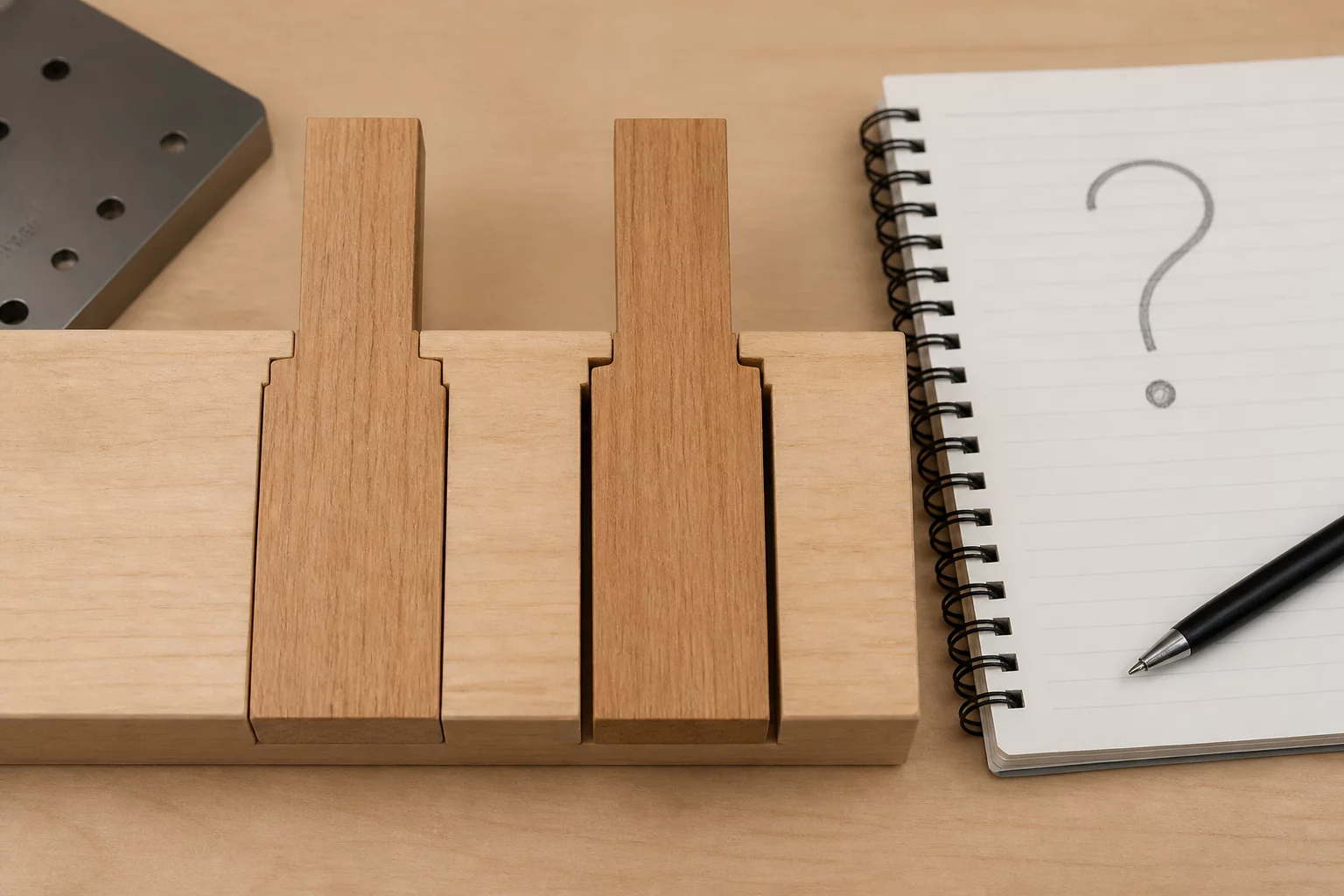
Systematic diagnostics for identifying beam drift, focal deviations, and bed unevenness across successive passes.
Select a dedicated laboratory slot to review your laser beam parameters, slot tolerances, and material-specific joint geometry.
Choose the exact technical challenge you want our laser technicians to review during your live call.